The Role of Startups in the Transformation of Traditional Industry: Innovation and Disruption

The Evolution of Industry through Startups
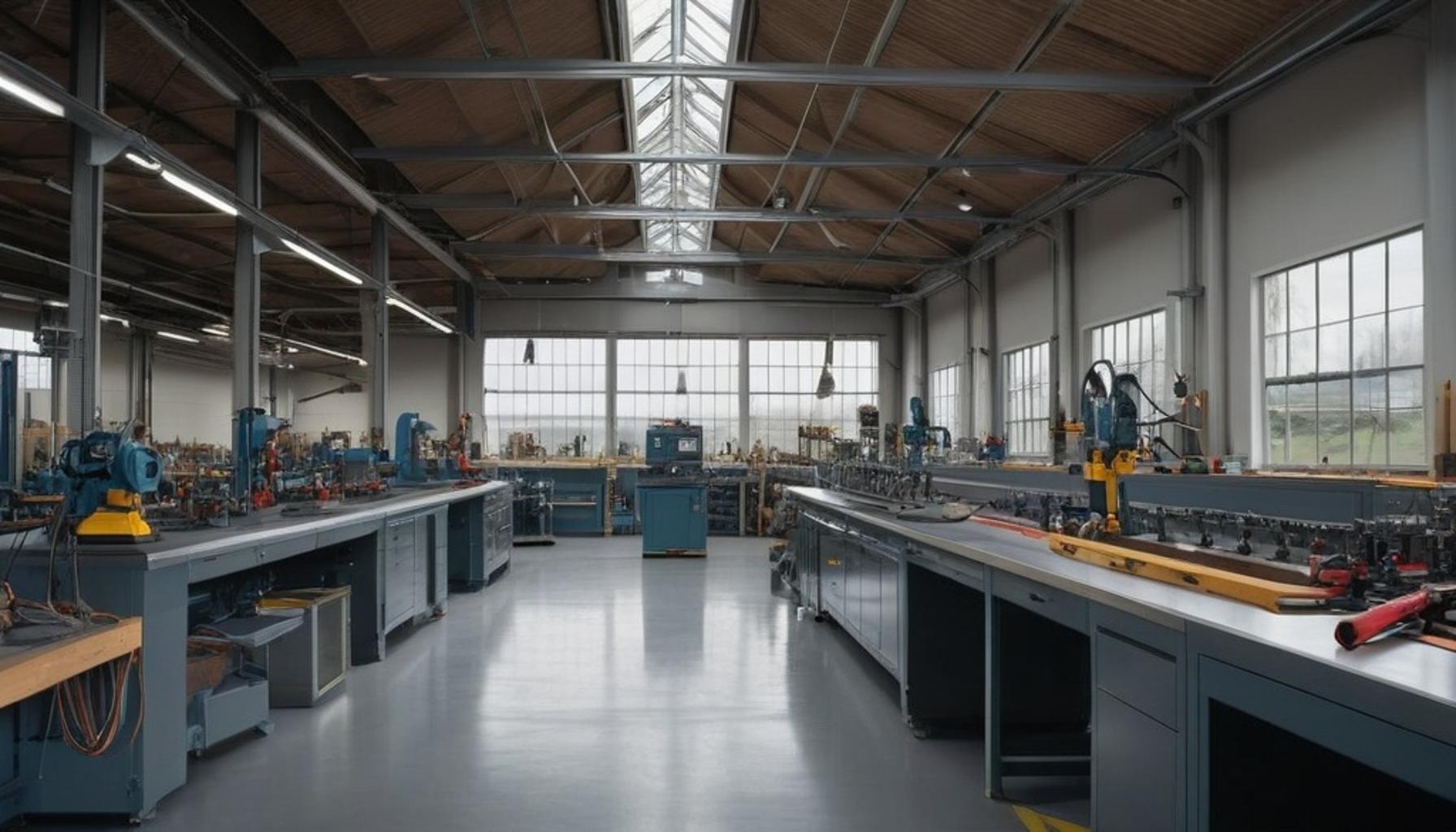
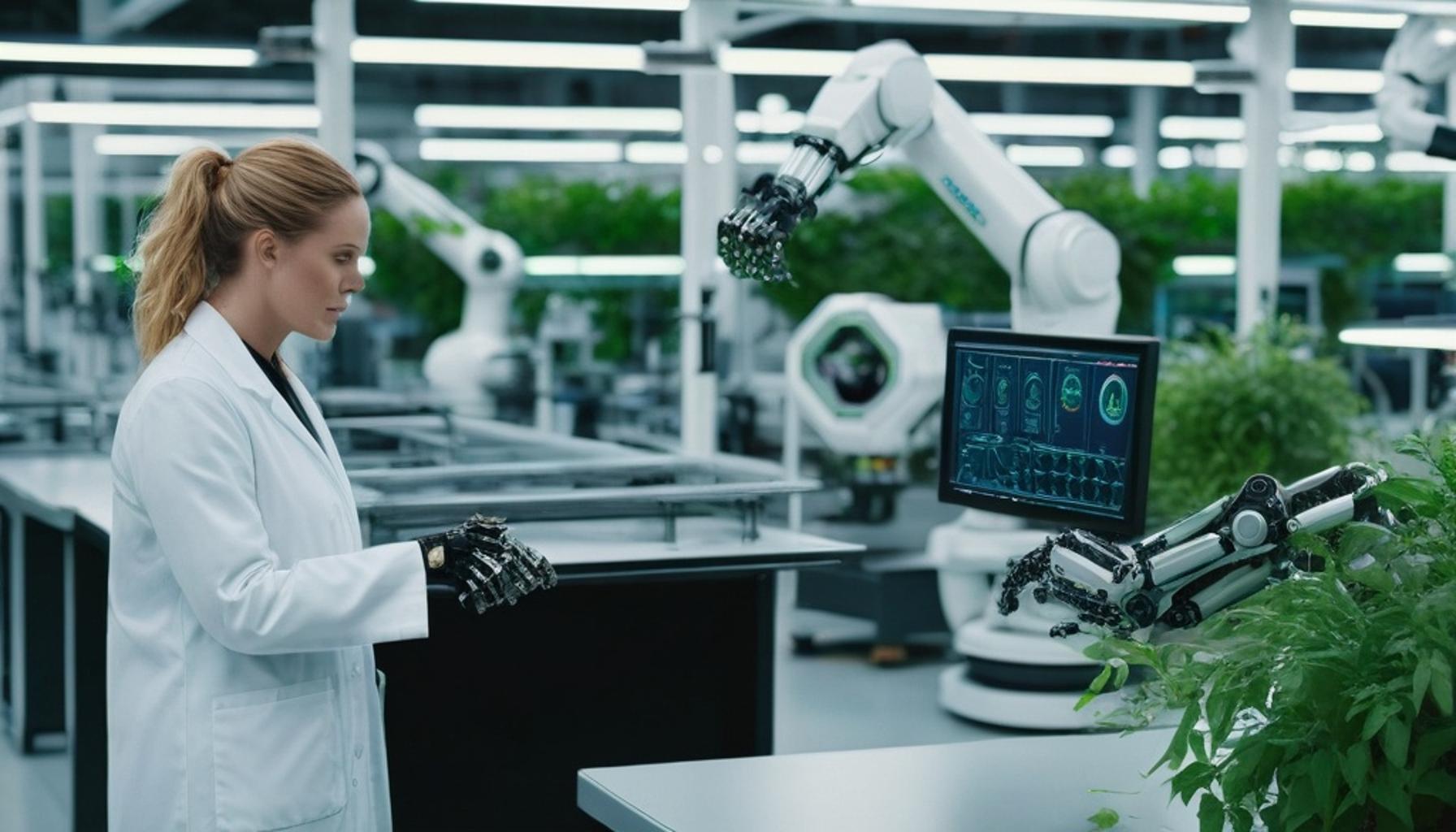
Throughout history, the landscape of industry has been reshaped time and again by transformative waves of innovation. Within this dynamic environment, startups have continuously played a pivotal role in enhancing and even revolutionizing sectors that might otherwise have stagnated. By challenging established norms and introducing novel ideas, startups echo the significant shifts witnessed during the industrial revolution and subsequent eras.
Reflecting on the lessons gleaned from historical financial events is essential in understanding the current entrepreneurial ecosystem. For instance, during The Great Depression, the catastrophic economic downturn revealed the dire need for businesses to adopt agile economic strategies, capable of adapting to shifting circumstances. This lesson still resonates today as startups utilize lean methodologies, allowing them to pivot quickly in response to market demands.
Similarly, The Dot-com Bubble of the late 1990s underscored the importance of sustainable business models. Many startups during this period operated on the concept of “growth at all costs,” leading to the eventual collapse of hundreds of companies. The fallout from this era has instilled a strong focus on profitability and sustainable practices in modern startups, particularly in the technology sector.
Furthermore, The 2008 Financial Crisis illuminated the dangers associated with outdated industries that resist change. Companies that failed to innovate and adapt—including some of America’s oldest financial institutions—suffered devastating consequences. Today’s startups emerge out of a desire to fill these gaps left by traditional companies, providing solutions that address modern issues with creative flair.
In the contemporary landscape, startups are demonstrating remarkable resilience and ingenuity in the face of rapid technological advancements. They are crafting solutions that, while initially seeming improbable, effectively bridge significant gaps in conventional sectors. For example, in the realm of health tech, startups utilize telemedicine to create a seamless, more patient-centered experience, making healthcare accessible even in the most remote areas. Likewise, the fintech sector is being revolutionized through decentralized finance, which allows individuals to conduct financial transactions without the need for traditional intermediaries, effectively democratizing banking services.
Moreover, the agri-tech space is witnessing a renaissance through innovative farming techniques like vertical farming and precision agriculture, aiming to enhance food production efficiency amidst an expanding global population. These innovations not only look to solve immediate problems but also aim to create a sustainable future.
The effects of these emerging enterprises extend beyond economic metrics; they also have profound social and cultural implications. By fostering a culture of innovation, startups challenge established industries to reconsider their operational frameworks, adopt new technologies, and embrace the inevitable change that comes with progress. As they walk the tightrope between disruption and growth, the role of startups has never been more crucial in navigating the complexities of today’s economy.
DIVE DEEPER: Click here to uncover more
Lessons from the Past: Shaping Modern Entrepreneurship
The historical events that have defined our economic landscape provide invaluable insights into the role of startups today. Just as The Great Depression prompted a reevaluation of financial practices, the present-day startup culture embodies a commitment to reinvent business strategies in real-time. Startups navigate the complexities of modern markets with lean methods that allow for quick adaptation, pulling lessons from a time when many businesses faced crippling limitations due to inflexibility.
In the wake of recent financial upheavals, the imperative for innovation has become an essential tenet of survival. For example, during The Dot-com Bubble, many companies relied heavily on the promise of rapid expansion without established foundations, leading to a notable collapse that served as a harsh reminder of the necessity for sustainable growth. Today’s startups, keenly aware of these lessons, focus not solely on growth but also on developing solid business models that balance innovation with fiscal responsibility.
As startups emerge in sectors once dominated by traditional players, they often confront ingrained norms that inhibit progress. One striking illustration of this phenomenon is the fintech sector, where startups have disrupted conventional banking systems by providing innovative solutions, such as peer-to-peer lending platforms and mobile payment systems. These advancements challenge legacy institutions to adapt or risk obsolescence, thereby fostering a competitive environment that ultimately benefits consumers through more accessible and efficient financial services.
The Impact of Innovation on Industry Dynamics
The transformative effect of startups extends beyond mere technological advancements; they invigorate industries by fostering a culture of innovation. Several key factors illustrate how startups influence traditional sectors:
- Agility and Speed: Startups thrive on their ability to experiment and pivot, allowing them to introduce new products and services at a speed that traditional companies often cannot match.
- Consumer-Centric Solutions: By focusing on user experience and feedback, startups are more in tune with consumer needs, resulting in offerings that resonate strongly with the market.
- Collaboration and Open Innovation: Startups frequently engage in partnerships that promote open innovation, leveraging external resources and insights to enhance their capabilities and access new markets.
This revolution in the way businesses operate creates a ripple effect through industries. For instance, the agricultural industry has seen startups adopt cutting-edge technologies such as drones and data analytics, enabling farmers to make informed decisions that enhance productivity and reduce waste. These innovations do not merely serve immediate economic objectives; they also address broader social concerns such as food security and environmental sustainability, thus establishing a framework for long-term resilience.
By compelling traditional companies to evolve, startups are not just reshaping industries; they are redefining what it means to be competitive in a fast-paced economy. The lessons learned from past financial crises remain relevant as today’s entrepreneurs confront challenges with new perspectives, aiming to cultivate an atmosphere of creativity and forward-thinking that drives societal progress.
DISCOVER MORE: Click here to learn about consumer expectations</
Navigating Challenges and Cultivating Resilience
As startups continue to infiltrate traditional industries, their journey is not solely marked by triumphs; there are significant challenges that they must confront as well. The historical economic landscape bears a profound lesson: innovation must be aligned with resilience, especially in industries burdened by regulatory complexities and pre-existing economic structures. For instance, during the 2008 Financial Crisis, the repercussions of reckless financial practices underscored the necessity of accountability within the entrepreneurial realm. Startups today are increasingly aware that while innovation is crucial, a steadfast commitment to ethical practices and sustainable growth is equally paramount.
Consider the case of healthcare technology, where startups have emerged as pivotal players in advancing patient care and reducing costs. However, navigating the labyrinth of regulations can be daunting. Startups are learning from historical precedents, recognizing that strategic partnerships with established healthcare providers and compliance with regulatory frameworks can facilitate smoother market entry. Moreover, they develop products that not only push boundaries but also adhere to safety standards, thereby enhancing their credibility and longevity within the healthcare ecosystem. This dual focus on innovation and adherence to regulation holds lessons from past economic upheavals, emphasizing that growth must not come at the expense of safety and trust.
The Role of Technology and Data in Shaping Industry Standards
The surge of digitalization in recent years has further amplified the impact of startups in shaping traditional industries. Leveraging data analytics and advanced technologies, these young companies are not just creating products; they are rethinking entire operational frameworks. In doing so, they draw distinctions from earlier economic models where rigid structures dominated. For example, the rise of the sharing economy has been a testament to how startups, such as those in ride-sharing and home-sharing, are redefining ownership and consumer interaction.
These businesses capitalize on decentralized trust models, using technology to forge direct connections between service providers and users, simultaneously challenging outdated norms. Historical parallels can be made with the rise of personal computing in the 1980s, which transformed how businesses operated and communicated, paving the way for increased productivity and accessibility.
Notably, startups also commit to upholding social values that reflect the needs of a modern society. The shift toward sustainability, signaling a response to past environmental negligence, showcases how startups advocate for both profitability and planet-friendly practices. Businesses like renewable energy startups and those offering sustainable goods provide a clear example of how entrepreneurial agility can advance critical societal issues, fostering a competitive, forward-thinking landscape.
However, the path forward is fraught with complexities reminiscent of historical tech booms and bursts. Startups must balance innovation with sustainable practices, much like balancing on a tightrope, where missteps can lead to downfall. The lessons drawn from historical crises remind entrepreneurs of the paramount importance of strategic foresight and adaptability, which remain crucial for their survival against the backdrop of shifting market demands.
In exploring how startups are transforming industries, it is clear that they are not merely securing niches; they are redefining foundational expectations. History serves as an invaluable guide, emphasizing the importance of resilience and responsibility amid the allure of rapid innovation. One can only anticipate how these dynamic forces will continue to shape the landscape of traditional industries, fostering an era characterized by both remarkable innovation and vigilant sustainability.
DISCOVER MORE: Click here for further insights
Conclusion: Lessons from the Past, Pathways to the Future
The indelible mark of startups on traditional industries bespeaks a generational shift not seen since major economic revolutions. As we reflect on the profound transformations precipitated by innovative startups, it is essential to acknowledge the lessons learned from historical economic events. The aftermath of the 2008 Financial Crisis serves as a cautionary tale, reminding us that unchecked innovation can yield detrimental outcomes, reinforcing the necessity for accountability and ethical practices. Today’s startups must navigate a landscape rife with both opportunity and risk, balancing ambitious innovation with a commitment to sustainability and ethical responsibility.
The technological prowess of these new ventures, enhanced by data and digitalization, allows them to challenge antiquated structures and forge new paths toward operational efficiency and consumer engagement. Echoing past innovations, the ongoing emergence of the sharing economy illustrates how startups can redefine social norms and economic interactions, reminiscent of the revolutionary impact of personal computing. As they do so, they also champion new social values that resonate with the evolving expectations of consumers and society as a whole.
However, with each advancement comes a series of challenges, reminiscent of previous boom-and-bust cycles. Startups must remain vigilant and adaptive in the face of economic fluctuations, learning to cultivate resilience and strategic foresight. History’s whispers remind us that the interplay of innovation and accountability can lead to a more sustainable future.
Ultimately, the role of startups in the transformation of traditional industries signifies not merely a shift in business models, but a broader evolution towards responsible and innovative economic frameworks. As we peer into the future, we must consider how these lessons from our past can shape a path of purposeful growth and transformation in the industries that define our lives.

Linda Carter
Linda Carter is a writer and expert known for producing clear, engaging, and easy-to-understand content. With solid experience guiding people in achieving their goals, she shares valuable insights and practical guidance. Her mission is to support readers in making informed choices and achieving significant progress.