Industry 4.0 and the Future of Manufacturing: Integration of Advanced Technologies
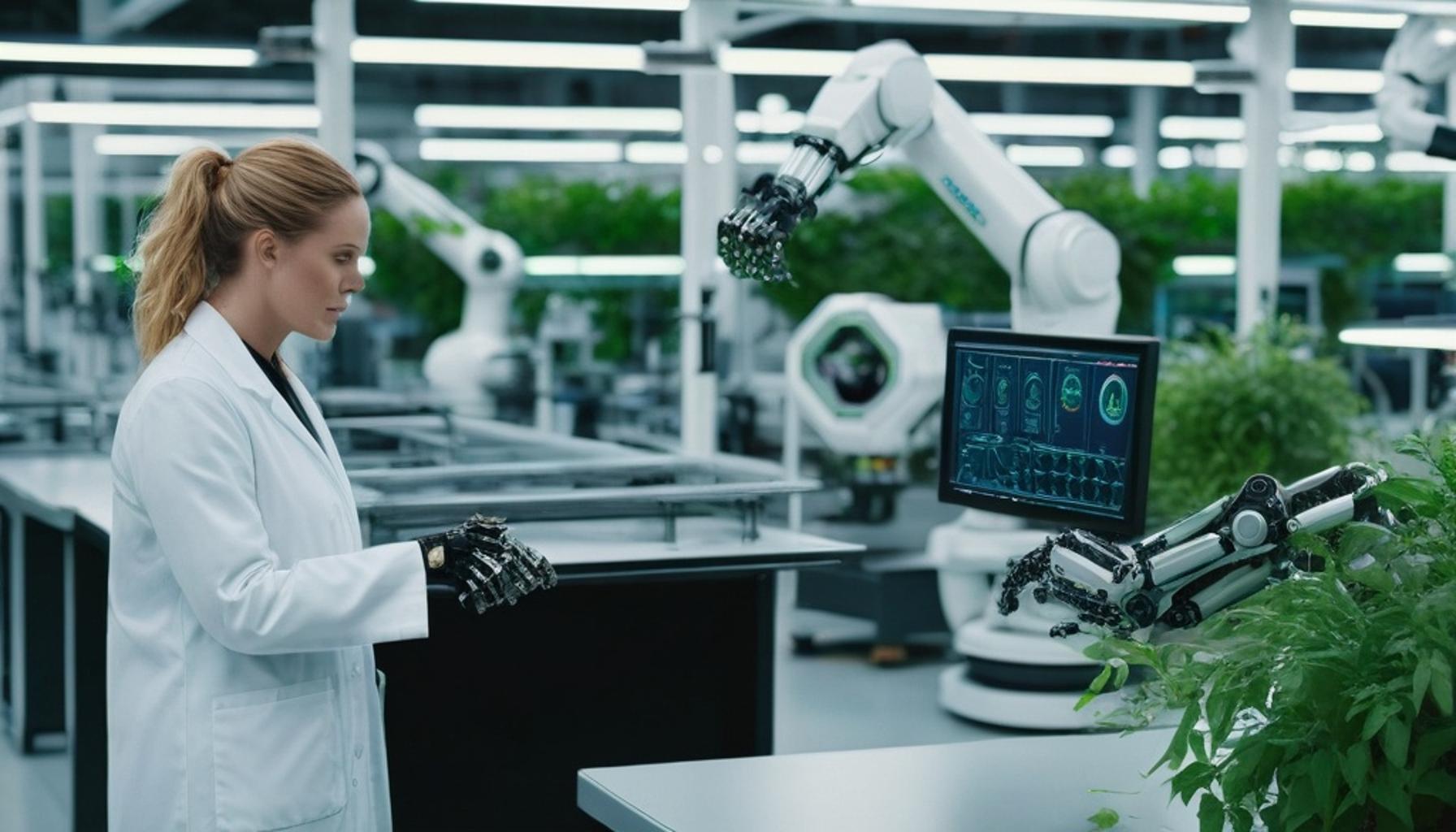
Transformative Shifts in Manufacturing
The evolution of manufacturing has always been a reflection of broader economic trends and innovations. Drawing stark parallels with significant historical advancements, the ongoing transition marked by Industry 4.0 mirrors the seismic shifts seen during the Industrial Revolution. This contemporary wave is not merely an upgrade; it embodies a paradigm shift in how goods are produced, managed, and delivered, comparable to the upheaval instigated by the steam engine and assembly lines in centuries past.
Historically, the introduction of the steam engine in the late 18th century serves as a prime example of how technological innovation can catalyze mass production. This innovation did not just enhance productivity; it transformed entire supply chains by facilitating transport and enabling manufacturers to reach broader markets. Subsequently, the rise of assembly lines in the early 20th century, particularly introduced by Henry Ford in automobile manufacturing, revolutionized efficiency. It allowed for the breakdown of complex tasks into simpler, repeatable actions, significantly reducing production costs and time.
Fast-forward to the digital revolution, the introduction of computers brought about an unprecedented level of precision and data handling capabilities. It laid the foundation for modern data analytics, ultimately reshaping strategies for operational efficiency and decision-making within manufacturing enterprises. This background sets the stage for today’s advancements, which include not just technology but also profound economic implications.
The Current Technological Wave
In the present context, we are witnessing the dawn of a new era defined by cutting-edge technologies such as Artificial Intelligence (AI), which enhances overall decision-making processes and bolsters forecasting accuracy. AI’s capabilities allow manufacturers to analyze vast datasets, predict maintenance needs, and optimize supply chains, driving both productivity and profits.
Moreover, the Internet of Things (IoT) is critical in revolutionizing operations. By enabling real-time data collection and analysis, IoT facilitates smarter manufacturing processes that can adjust and respond to varying conditions on the production floor. This immediacy in information flow diminishes downtime and enhances resource management, reflecting the type of rapid adaptability seen during previous industrial shifts.
Additionally, automation and robotics continue to reshape the manufacturing landscape. By automating repetitive tasks, companies can minimize human error, reduce labor costs, and significantly enhance output rates. This transition, however, is not without challenges; it necessitates a workforce that can adapt to new technologies and the potential displacement of traditional manufacturing jobs raises complex ethical considerations.
As we navigate this pivotal moment in manufacturing history, it is essential to draw lessons from the past. Each innovation brings forth both opportunities for efficiency and the necessity for strategic financial planning. The choices made today about technology integration will pave the way for not only current operational success but also future economic stability, ensuring that the next generation of the workforce is prepared to thrive in a transformed manufacturing landscape.
DISCOVER MORE: Click here to learn about the American Express Gold Credit Card
Understanding the Impact of Historical Innovations
The lessons drawn from past industrial revolutions underscore the profound impact that technological advancements can have on not just manufacturing processes, but also on economic stability and workforce dynamics. Each historical shift, whether it involved the steam engine or the assembly line, showcases a pattern of evolution driven by the need for efficiency and the ability to meet increasing consumer demand. As we delve deeper into the current technological wave brought about by Industry 4.0, it is critical to reflect upon these lessons to anticipate and navigate the transformations ahead.
One of the most noticeable similarities between past revolutions and our current trajectory is the role of financial investment in technology. Historical records suggest that the companies and nations that thrived during previous industrial shifts were those that recognized and acted upon the potential returns of investing in innovative technologies early. For instance, during the advent of assembly lines, firms that initially hesitated to incorporate these systems found themselves at a disadvantage, unable to compete with more agile competitors. The past teaches us that the timing of technology adoption is crucial – a lesson that holds true today as manufacturers consider how to invest in emerging technologies like AI, IoT, and robotics.
Looking at the contemporary landscape, it is clear that businesses must remain vigilant regarding the long-term economic implications of their operational strategies. As the integration of advanced technologies progresses, manufacturers can implement strategies such as:
- Proactive Investment: Investing in state-of-the-art technologies not only mitigates risks associated with economic downturns but also positions companies favorably against competitors.
- Employee Training: Developing a skilled workforce adept at utilizing new technologies is essential for maximizing the benefits of these investments. This involves upskilling current employees and attracting fresh talent
- Adaptable Business Models: The adaptability of business models will determine sustainability. As consumer preferences evolve with technological advancements, businesses must be able to pivot and respond effectively.
Historically, periods of technological growth have often led to significant shifts in labor markets. For instance, the rise of automation in the manufacturing sector has resulted in the transformation of job roles, where demand for skilled technicians surpasses that of traditional assembly line workers. This transformation carries economic ramifications that ripple through communities and industries. Similarly, the advent of AI in decision-making processes can lead to enhanced productivity but raises concerns regarding job displacement and the need for new skill sets in the workforce.
As we witness the changes brought about by Industry 4.0, it becomes imperative for manufacturers not only to embrace these technologies but also to consider their broader economic impact. By learning from history and making strategic investments today, businesses can foster resilience in the face of change, ensuring that both their operations and the workforce are prepared for the manufacturing landscape of tomorrow.
DISCOVER MORE: Click here to learn about the latest innovations in sustainability
Lessons from Economic History: Strategic Adaptation in Manufacturing
As we navigate the uncharted waters of Industry 4.0, a keen examination of historical economic decisions reveals essential insights that can guide today’s manufacturers. The evolution of manufacturing has consistently illustrated the necessity of strategic adaptability, particularly during periods of major technological disruption. The financial decisions made in the face of previous industrial revolutions often set the groundwork for those firms that flourished, while others that lagged behind faced dire consequences. Understanding these dynamics provides a framework for present-day challenges and opportunities.
The Great Depression serves as a poignant reminder of the fragility of economic stability and the importance of timely innovation. During the 1930s, many American manufacturers were unable to pivot quickly as consumer demand plummeted. In contrast, companies that embraced innovation—such as DuPont with its pivot to new materials—not only survived but thrived, expanding their market share. Today, manufacturers must learn from this period of economic distress, where adaptability coupled with innovation can enable them to weather financial storms. This necessitates a shift in corporate culture, one that embraces experimentation and risk-taking.
Furthermore, the phenomenon of Lean Manufacturing in the late 20th century provides another significant lesson pertaining to operational efficiency. Companies like Toyota utilized lean principles to eliminate waste and enhance productivity, ultimately resulting in significant cost savings. As manufacturers integrate advanced technologies associated with Industry 4.0, such as automation and data analytics, the lean mindset remains vital. By adopting a data-driven approach to process optimization, manufacturers can identify inefficiencies early on, thus catalyzing continuous improvement.
Another historical lesson comes from the rise of global markets in the latter half of the 20th century. The advent of globalization transformed supply chains and reshaped manufacturing landscapes. Companies that took early advantage of outsourcing and offshoring enhanced their competitive positions significantly. Today, manufacturers must pivot once again towards a globalized approach—but this time, with a focus on digital integration and collaboration. The deployment of technologies such as the Internet of Things (IoT) and blockchain can enhance transparency and reliability across supply chains, ensuring that manufacturers remain agile in a rapidly evolving global market.
Moreover, the increasing attention on sustainability presents a critical turning point similar to earlier economic shifts. Manufacturers are now faced with the dual challenge of enhancing productivity while minimizing their environmental footprint. The introduction of advanced technologies such as AI-driven predictive maintenance and smart energy management systems can help alleviate this tension. Those businesses that can successfully reduce waste and improve sustainability will not only meet regulatory requirements but also respond to an increasingly environmentally-conscious consumer base.
Lastly, the implications of financial constraints during periods of economic downturn must not be overlooked. The credit crunch that followed the financial crisis of 2008 illustrated how capital accessibility influences innovation. Manufacturers must proactively address their financing needs, ensuring that they can invest in advanced technologies without jeopardizing operational stability. As financial instruments evolve, including the rise of crowdfunding and alternative financing methods, businesses should explore diverse funding sources to support their technological ambitions.
By reflecting on these historical lessons, manufacturers can develop a more nuanced understanding of their current environment and strategically position themselves in the fast-evolving landscape of Industry 4.0. The past holds valuable insights into the nature of resilience, adaptability, and the importance of timely decision-making, all of which are crucial for thriving in today’s manufacturing ecosystem.
DIVE DEEPER: Click here to explore how climate change impacts investment strategies
Conclusion: Embracing the Future with Historical Insight
As we stand on the precipice of a new era defined by Industry 4.0, the interplay between advanced technologies and manufacturing practices has never been more profound. Reflecting on historical economic events offers invaluable lessons, underscoring the significance of strategic adaptability in the face of change. Just as manufacturers navigated the challenges of the Great Depression by embracing innovation, today’s companies must cultivate a culture that encourages experimentation and technology adoption to remain competitive.
The principles of Lean Manufacturing, which revolutionized operational efficiency in preceding decades, should be reimagined within the context of digital transformation. By leveraging data analytics and embracing a systematic approach to waste reduction, firms can achieve both sustainability and profitability. Furthermore, the lessons learned from globalization emphasize the necessity for manufacturers to enhance collaboration across digital platforms and supply chains, ensuring they can adapt swiftly to market fluctuations.
As environmental concerns gain precedence, the manufacturing sector faces the dual challenge of increasing output while committing to sustainable practices. The integration of innovative technologies such as AI and IoT not only offers pathways to waste reduction but also aligns with the ethical demands of a conscientious consumer base.
Ultimately, the path forward is illuminated by the careful consideration of past economic patterns and decisions. To thrive amidst the complexities of Industry 4.0, manufacturers must prioritize financial agility and seek out diverse funding mechanisms, ensuring that they can innovate without compromising financial stability. By learning from history, the manufacturing sector can not only embrace the future but also shape it into an era marked by resilience and unparalleled growth.

Linda Carter
Linda Carter is a writer and expert known for producing clear, engaging, and easy-to-understand content. With solid experience guiding people in achieving their goals, she shares valuable insights and practical guidance. Her mission is to support readers in making informed choices and achieving significant progress.