Innovation in Supply Chains: The Role of Automation and Artificial Intelligence in Industry
Understanding the Historical Context of Economic Shifts
The transformational role of technology in shaping economies is not merely a contemporary phenomenon; it has ancient roots. A historical examination reveals that eras of significant economic progress often coincide with technological advancements. For instance, the Industrial Revolution of the 18th and 19th centuries, marked by the introduction of machinery, drastically altered manufacturing processes, leading to improved productivity and a significant shift in labor dynamics. Factories replaced manual craftsmanship with mechanized assembly lines, exemplified by the production of textiles and automobiles. This profound shift reduced costs and increased availability, essentially laying the groundwork for modern supply chains.
Fast forward to the late 20th century, when just-in-time (JIT) inventory practices emerged as another milestone. Spearheaded by companies like Toyota, JIT practices minimized inventory and waste by synchronizing supply with demand, revolutionizing how businesses operated. This model fostered more agile and responsive supply chains, enabling manufacturers to react swiftly to consumer needs while significantly cutting operational costs. Notably, such practices were instrumental during economic downturns when efficiency became crucial for survival.
The Digital Communication Revolution
The advent of digital communication further catalyzed changes in supply chain dynamics. Email, cloud computing, and advanced logistics software transformed how businesses interacted with suppliers and customers. Information sharing became instantaneous, and supply chain visibility improved dramatically. Companies could track shipments in real-time, manage inventory levels, and facilitate better decision-making processes. This was particularly evident in companies like Amazon, which leveraged digital tools to reshape retail, providing customers with seamless shopping experiences.
Today, we stand on the brink of another transformative phase, as automation and artificial intelligence (AI) redefine established practices. With AI’s unparalleled data processing capabilities, businesses can now predict market fluctuations with a degree of accuracy previously unattainable. For example, retail giants are deploying AI algorithms to analyze shopping behaviors, enabling them to tailor marketing strategies and anticipate consumer trends, which enhances overall customer satisfaction.
Opportunities and Challenges Ahead
The integration of AI and automation also enables businesses to optimize logistics, allowing for reduced operational costs and improved efficiency. Automated systems can manage supply routes, forecast inventory needs, and streamline transportation logistics, all while adapting to real-time data. However, this wave of innovation does not come without its challenges. Companies must address significant considerations, including workforce displacement due to automation, data privacy concerns, and the need for upskilling employees to work alongside AI technologies.
As we reflect on the trajectory of economic decisions through history, it becomes apparent that each technological leap brings both promises of efficiency and the necessity for adaptability. The lessons learned from past financial phenomena serve as a guide as we navigate this current landscape, emphasizing the importance of resilience and foresight in building a sustainable economic future. The convergence of innovation and supply chain management represents not just a response to present demands but an opportunity to create a more robust and responsive economic framework for the years to come.
DIVE DEEPER: Click here to discover more
The Evolution of Supply Chain Management
As businesses strive to remain competitive in a rapidly changing marketplace, the evolution of supply chain management becomes more critical. The historical progression from simple barter systems to complex global supply networks illustrates that adapting to technological advancements is not just advantageous but essential for survival. Supply chains have always been intertwined with economic conditions; every leap in technological innovation has led to the reconfiguration of these systems to enhance efficiency, reduce costs, and improve customer satisfaction.
At the dawn of the 21st century, companies began to recognize that traditional supply chain approaches were insufficient to cope with the increasing speed and complexity of global trade. This realization paved the way for the integration of automation and artificial intelligence, revolutionizing supply chain practices and strategies. By automating routine tasks and processes, businesses could redirect their resources toward more strategic functions that require human intelligence, such as innovation and customer relationship management.
The Impact of Automation on Supply Chain Efficiency
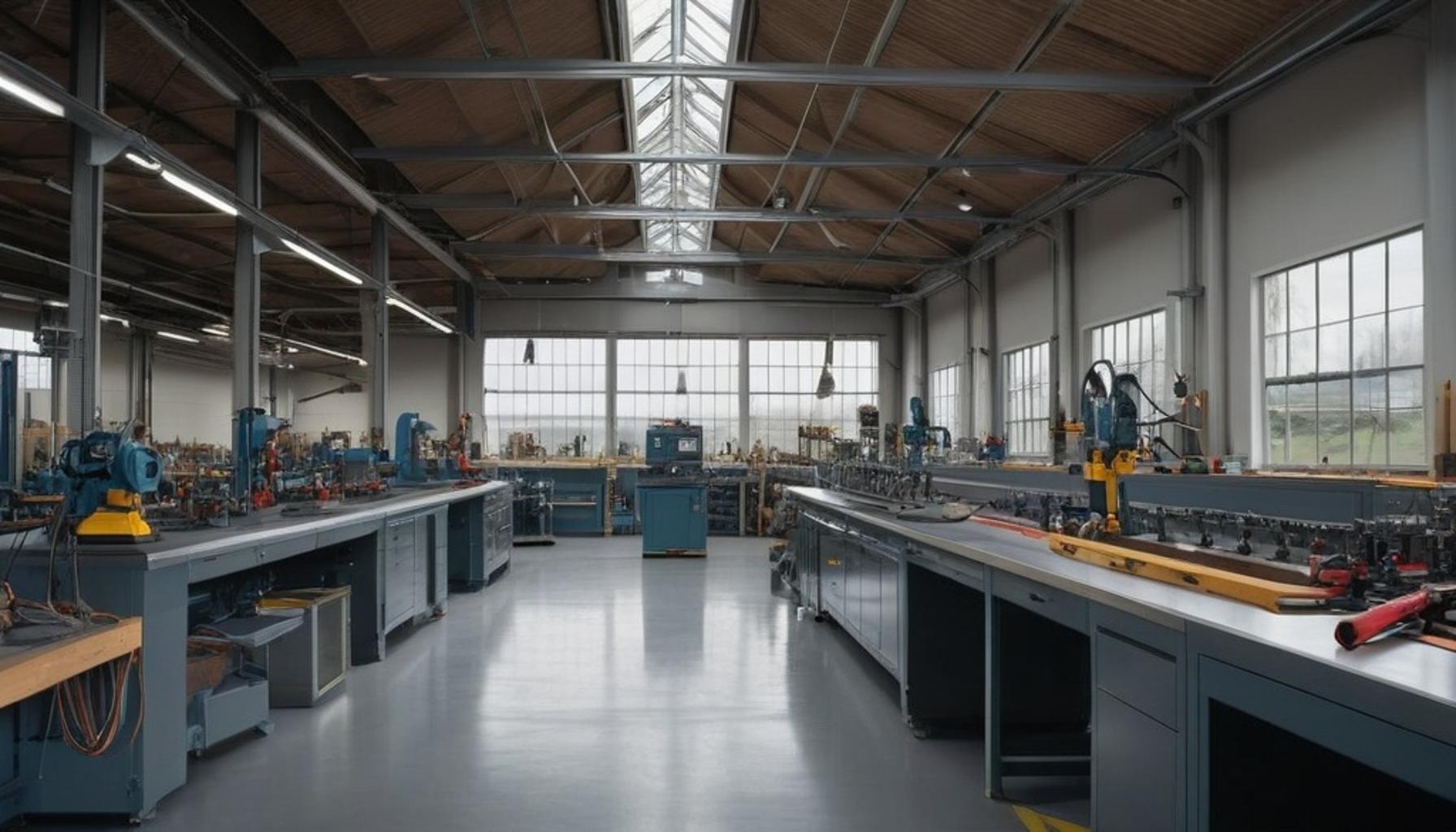
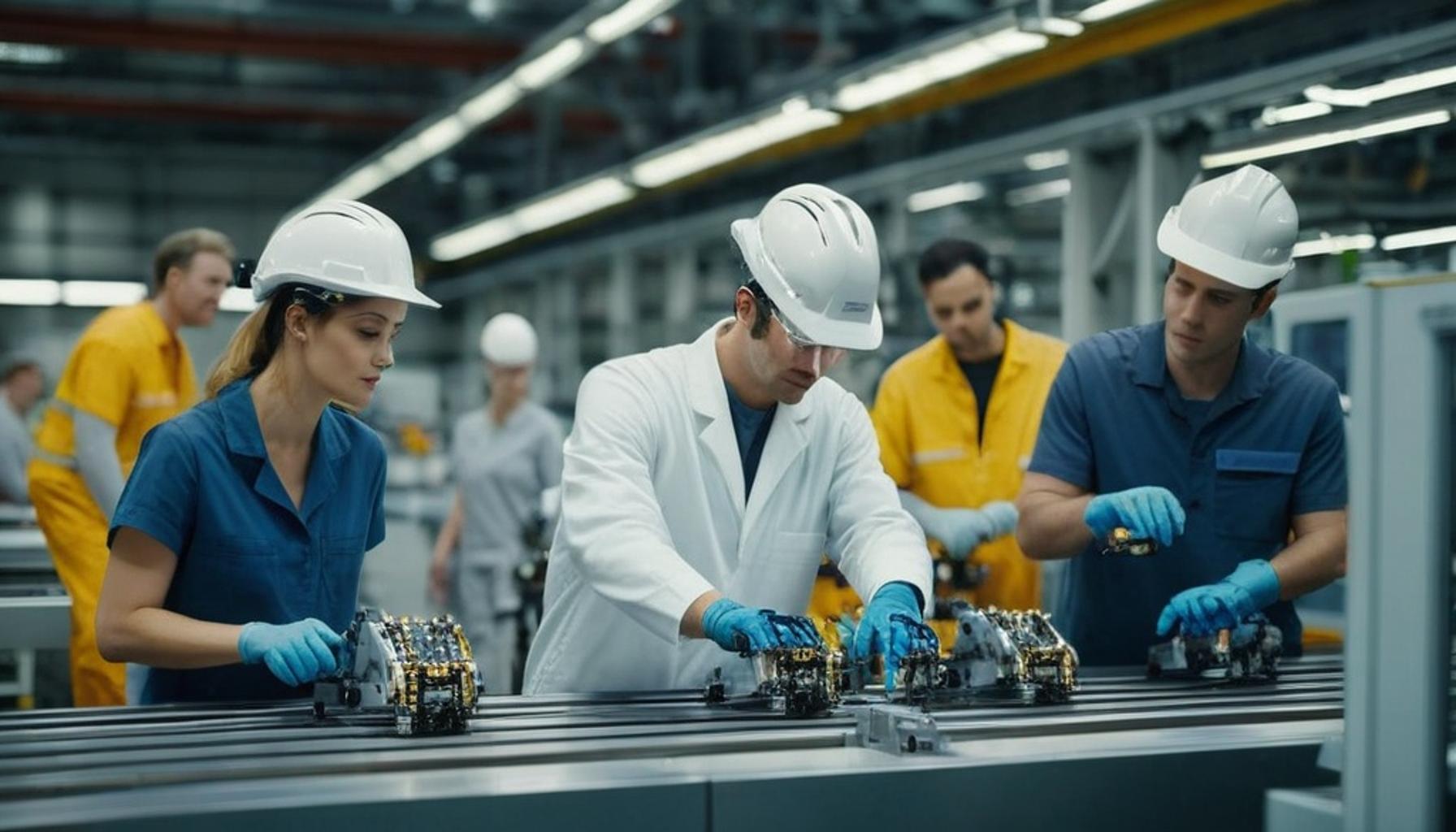
Automation has already transformed many aspects of supply chains, particularly in logistics and manufacturing. The implementation of robotic process automation (RPA) in warehouses has accelerated the picking and packing process, drastically reducing order fulfillment times. Furthermore, automation in manufacturing allows companies to maintain higher levels of precision and consistency in production, significantly diminishing error rates and waste. As noted in studies by the National Institute of Standards and Technology, companies utilizing automated systems can achieve up to a 30% reduction in operational costs while also improving delivery speeds.
Among the significant advantages of automation are:
- Increased Productivity: Automated systems can operate continuously, leading to higher output rates.
- Cost Reduction: By minimizing labor costs and human error, automation drives overall expenditure down.
- Enhanced Safety: Automation takes over dangerous tasks, protecting employees from workplace hazards.
- Consistency: Automated systems deliver reliable outputs with minimal variance, fostering product quality.
The Role of Artificial Intelligence in Data-Driven Decisions
While automation streamlines processes, artificial intelligence (AI) serves as a crucial ally in analyzing vast amounts of data generated by supply chain operations. The integration of AI enhances decision-making by providing insights derived from predictive analytics, enabling organizations to anticipate market trends and consumer behavior. For instance, retail companies employing AI algorithms can forecast demand fluctuations based on historical sales data, seasonality, and even social media trends, allowing for more accurate inventory management.
However, the application of AI is not just confined to forecasting. It plays a vital role in optimizing supply chain networks by identifying potential disruptions and proposing real-time solutions. This predictive capability is reminiscent of the Just-in-Time (JIT) philosophy, where responsiveness to consumer demand can significantly affect competitiveness. Thus, AI enhances the agility of supply chains, proving that adaptability is a hallmark of successful business strategies.
In drawing parallels with historical economic transformations, it becomes evident that innovation in supply chains, driven by automation and AI, reflects the same spirit of adaptation that has characterized previous eras of change. As we embrace these technologies, we are not merely reinventing practices; we are also setting the stage for the next wave of economic resilience and growth.
DISCOVER MORE: Click here to learn about the rise of conversational commerce
The Future of Supply Chains: Embracing Technological Disruption
The historical precedence of innovation reveals that industries often find resilience through adaptation to technological advancements. The introduction of railway systems in the 19th century, for instance, not only revolutionized transportation but also reshaped supply chains, facilitating faster and more reliable distribution methods. In a similar vein, the present era is witnessing the emergence of automation and artificial intelligence as pivotal agents of change, offering a roadmap for the evolution of supply chain management in the United States and beyond.
From Historical Analogies to Modern Practices
Just as the Industrial Revolution marked a turning point in manufacturing through mechanization, today’s digital revolution is characterized by intelligent machines and algorithms capable of performing tasks that previously required human cognition. The gradual transition from human-driven labor to automated processes reflects a longstanding trend in economic history: every major innovation has incrementally shifted labor dynamics and industry standards. Just as the steam engine dramatically increased manufacturing output, robotic systems and AI are set to enhance productivity, offering opportunities for businesses to rethink their operational frameworks.
Consider the impact of AI-powered supply chain management systems which allow for real-time visibility across supply chain networks. The lessons from the dot-com bubble in the late 1990s—where premature investments in untested technologies led to significant financial losses—should not be forgotten. Today, organizations are leveraging advanced analytics and machine learning to make data-driven decisions that mitigate risk and bolster their operational strategies. Companies like Amazon, through their predictive analytics and sophisticated logistics networks, embody the current zeitgeist where customer expectations dictate supply chain responsiveness. Their practices serve as a contemporary case study of how integrating technology not only meets consumer demands but also sets a benchmark for competitors.
The Challenge of Balancing Human and Automated Labor
However, alongside the benefits of automation and AI in supply chains lies a critical challenge: the balance between human labor and machine efficiency. Historical economic shifts often resulted in labor displacement; the abolition of certain jobs during mechanization has echoes in today’s workforce discussions surrounding the implications of automation. As industries increasingly adopt advanced technologies, the need for upskilling and reskilling the workforce becomes paramount. Programs aimed at equipping workers with the necessary skills to thrive alongside technology will play a pivotal role in ensuring that workforce transitions are not only seamless but also sustainable.
Moreover, stakeholders must be cognizant of the ethical implications of AI and automation within the supply chain. As exemplified during the Great Depression, unchecked reliance on untested economic practices led to profound societal impacts. The modern iteration of this lesson encourages companies to approach AI implementation carefully, ensuring that technologies supplement rather than overtake the human experience. Adopting a balanced perspective fosters a human-centric approach, reinforcing employee value while optimizing operational effectiveness through technology.
Building Resilience in Supply Chains
As businesses navigate the trajectory of supply chain innovation, resilience emerges as a foundational pillar. Historical downturns, such as the 2008 financial crisis, underscored the need for flexibility and adaptability in supply chain operations. Lessons learned from previous economic upheavals serve to underscore the importance of creating robust safety nets through diversified supplier networks and investment in technological advancements. Automation and AI, when harnessed effectively, not only prepare supply chains for unexpected disruptions but also enhance the capacity for proactive, real-time responses to market changes.
In the pivot towards automation and AI, the legacy of innovation in supply chains reflects a broader narrative of economic evolution—one that underscores the ability to adapt and thrive amidst changing landscapes. As organizations leverage these technologies, they not only elevate their operational efficiencies but also bolster their positions in a vast, interconnected global market.
DISCOVER MORE: Click here for details
Conclusion: Navigating the Path Forward
As we stand at the crossroads of innovation in supply chains, a historical lens offers invaluable insight into the transformative role of automation and artificial intelligence. Just as past economic shifts—like the mechanization of agricultural practices during the 20th century—shifted labor practices and productivity, the current wave of technological disruption presents both challenges and unparalleled opportunities for businesses. The lessons gleaned from past economic cycles emphasize the importance of adaptability, foresight, and a human-centric approach in integrating these advanced technologies into supply chain frameworks.
The advantages of AI and automation in enhancing operational efficiency, improving customer satisfaction, and fostering resilience cannot be overstated. Yet, it becomes imperative for organizations to heed historical warnings about the displacement of labor. Employing strategies that prioritize upskilling and reskilling the workforce ensures that technology and human talent coexist seamlessly, creating a robust environment that values both innovation and individual contribution. The ethical implications of these technologies also demand careful consideration to prevent repeating the mistakes of the past.
Ultimately, the evolution of supply chains, inspired by the advancements of automation and AI, reflects a broader economic narrative of transformation. By merging lessons from history with contemporary strategies, businesses can build resilient supply chains that not only respond dynamically to market fluctuations but also enhance their competitive edge in a rapidly evolving global landscape. As the future unfolds, those who embrace a balanced approach—leveraging technology while nurturing the human element—will undoubtedly lead the charge towards a new era of sustainable supply chain excellence.

Linda Carter
Linda Carter is a writer and expert known for producing clear, engaging, and easy-to-understand content. With solid experience guiding people in achieving their goals, she shares valuable insights and practical guidance. Her mission is to support readers in making informed choices and achieving significant progress.