Digital Transformation: The Impact of Technology on Traditional Industry

Understanding the Digital Shift in Traditional Industries
The evolution of technology has always played a pivotal role in shaping industries throughout history. Just as the Industrial Revolution transformed manufacturing with steam power and mechanization, today’s digital transformation is revolutionizing traditional sectors in ways that were once unimaginable. The complexities of this transformation not only reflect technological advancements but also signify shifts in consumer expectations and behavior.
Consider these key impacts:
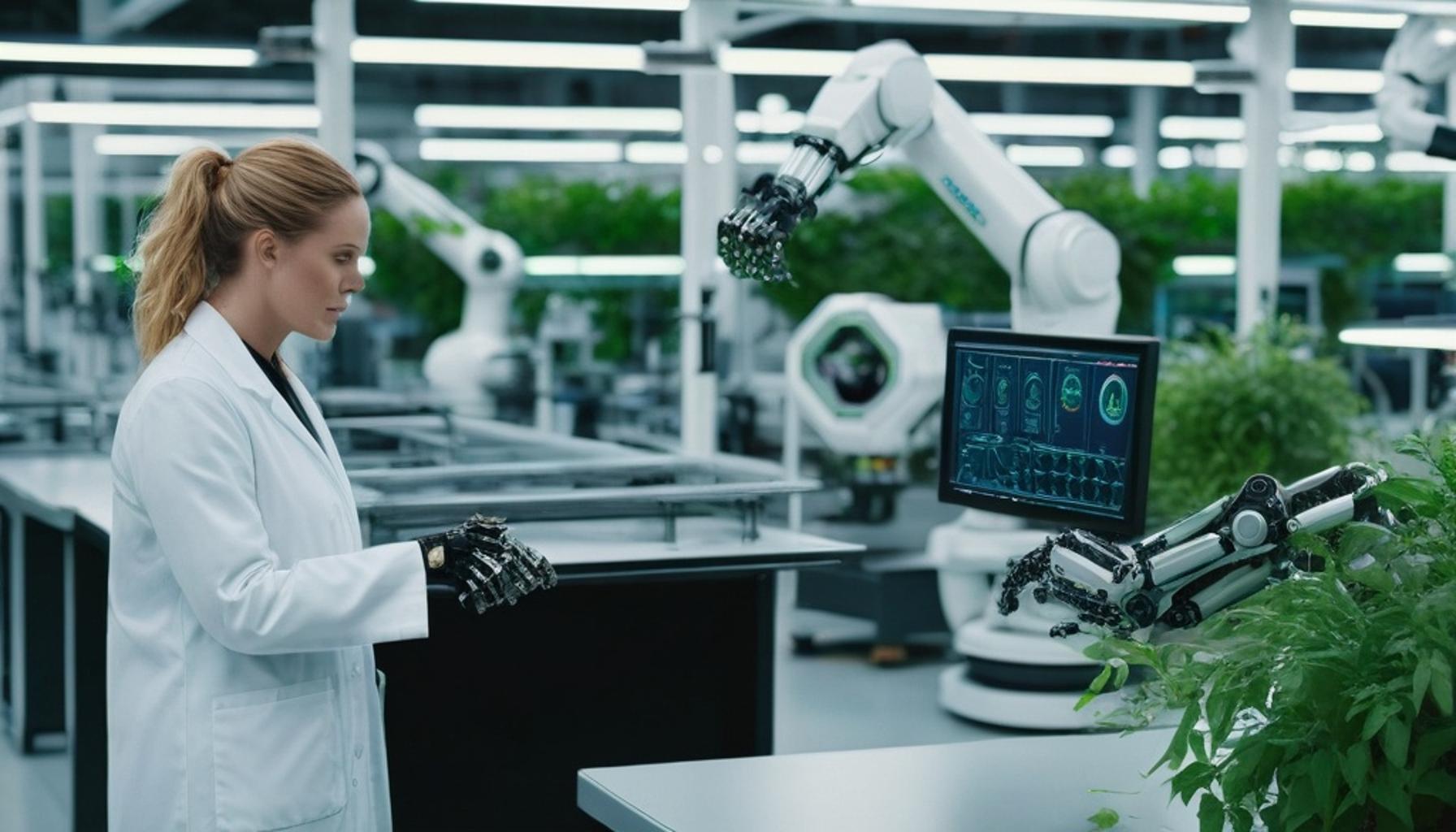
- Automation: With the integration of robotics and artificial intelligence (AI), industries such as manufacturing and logistics are experiencing unprecedented boosts in efficiency and accuracy. For example, companies like Amazon utilize automated robots in their warehouses to streamline product sorting and shipping. This automation not only reduces labor costs but also cuts down on errors, enhancing overall operational performance.
- Data Analytics: The modern business landscape relies heavily on the power of data. Through sophisticated data analysis techniques, businesses can now derive valuable insights that aid in optimizing operations and driving strategic decision-making. Retail giants like Walmart use big data analytics to manage inventory levels and meet consumer demand efficiently, ensuring that products are available when and where customers want them.
- Customer Engagement: Digital advancements have ushered in a new era of customer relationship management. Enhanced digital platforms allow companies to interact on a more personal level with consumers, reshaping traditional marketing strategies. Netflix, for instance, employs data-driven recommendations to tailor viewing options for individual users, creating a more engaging and personalized experience.
Reflecting on past economic events, such as the 2008 financial crisis, we see how technology can influence market stability and consumer behavior. During that period, the collapse exposed vulnerabilities in traditional banking systems and investment practices, highlighting the need for adaptive strategies and technological safeguards. The decisions made then remind us that adaptation is crucial for survival in competitive landscapes.
Today, traditional industries must not only adapt but embrace innovation. This requires a profound mindset shift towards:
- Investment in Technology: Companies must allocate resources not only for acquiring new technologies but also for ongoing maintenance and upgrades. Investing in cybersecurity has become as critical as investing in customer experience.
- Training Workforce: Preparing employees for a digital future is key to harnessing new technologies. Initiatives like those seen in upskilling programs at companies like IBM demonstrate how continuous learning can keep the workforce relevant and capable.
- Collaboration: Partnerships between tech firms and traditional sectors can foster innovation. Collaborative efforts like those between automotive companies and tech startups in areas such as autonomous driving highlight the benefits of pairing experience with cutting-edge technology.
As history echoes through economic transformations, the lessons learned underscore the urgency to adopt digital strategies. The journey of adapting to these changes will determine which industries thrive in the new digital economy. Companies that recognize these shifts and actively pursue innovative paths will not only survive but potentially lead the way in this transformative era.
DISCOVER MORE: Click here to learn about automation’s effects on job opportunities
The Lessons of History: Embracing Digital Change
In reflecting upon significant economic events and their influence on today’s landscape, it becomes evident that the past serves as a crucial guide. Take the Great Depression of the 1930s, for example; the financial turmoil that engulfed economies worldwide highlighted the vulnerabilities of established market systems. In response, financial institutions began to adopt more stringent regulations and advanced technologies to restore consumer confidence and stabilize the economy. The lesson was clear: innovation and adaptation were fundamental to survival.
Fast forward to the 2008 financial crisis, which further illustrated the importance of technological advancements in mitigating risks associated with traditional industry practices. When the housing bubble burst, it exposed critical flaws in automated trading systems and risk assessment models. In the aftermath, there was a concerted push towards integrating technology in financial services, leading to the emergence of fintech solutions that now enhance transparency and accountability in banking. This evolution emphasizes that failure to adopt technological advancements can lead to dire consequences, pushing industries towards a paradigm shift.
Today, traditional industries are standing at a similar crossroads. While the adoption of digital solutions can evoke apprehension, as seen in various sectors, history teaches us that embracing change can unlock new pathways to prosperity. The key lessons learned from past financial upheavals lay the groundwork for current strategies, including:
- Risk Management Practices: Learning from previous crises, industries must implement advanced risk management tools powered by AI and machine learning. These tools analyze market trends and customer behavior in real-time, enabling businesses to respond to fluctuations proactively.
- Transparency and Accountability: The rise of blockchain technology offers traditional sectors, particularly finance, an opportunity to enhance transparency in transactions. This traceability fosters trust among consumers while minimizing fraud.
- Agility and Flexibility: Organizations can no longer afford to remain rigid in their operations. The ever-changing landscape demands businesses to adopt agile methodologies that allow for swift adaptations in strategy and resource allocation.
As history continues to echo through the corridors of economic evolution, traditional industries must heed the valuable lessons embedded within it. The past casts a significant shadow on today’s decisions, urging businesses not only to acknowledge the need for digital transformation but to actively seek ways to integrate it seamlessly into their operations. Companies that learn from these historical lessons will be better equipped to navigate the complexities of the digital era and secure their position as leaders in the ever-evolving marketplace.
DISCOVER MORE: Click here to learn about the Power Cash Rewards card
Lessons on Innovation: The Role of Technology in Industry Revitalization
The narrative of technological advancement in traditional industries is not merely a story of adaptation; it is one of revitalization and reinvention. The surge of the Industrial Revolution marked a pivotal transformation in the way goods were produced and consumed. Practiced artisans were rapidly replaced by mechanized factories, a process that elicited labor unrest but also set the stage for unprecedented economic growth. The lesson drawn from this historical upheaval is clear: industries that embrace technological integration stand to gain a significant competitive edge, while those resistant to change may face obsolescence.
Consider the retail sector, which currently grapples with the dual challenges of e-commerce and shifting consumer behavior. The rise of online shopping platforms such as Amazon has reshaped customer expectations around accessibility and convenience. Traditional brick-and-mortar stores have found themselves at a crossroads, where failure to embrace omnichannel retail and digital solutions could result in diminishing foot traffic and sales. In the wake of this crisis, many retailers have turned to technology, leveraging data analytics and personalized marketing strategies to foster deeper customer relationships and create seamless shopping experiences. This evolution is reminiscent of the shifts seen during the Great Depression, wherein businesses that adapted their strategies found a way to thrive amidst adversity.
Moreover, the manufacturing industry has similarly transformed through the adoption of Industry 4.0 technologies, such as the Internet of Things (IoT) and smart automation. Streamlining production via interconnected devices not only enhances operational efficiency but also provides invaluable insights into supply chain management and predictive maintenance. History teaches us that companies capable of innovating their manufacturing processes, even during challenging economic times, are less likely to succumb to their more traditional counterparts who cling to outdated methods. Implementing these technologies can yield significant cost savings and improve overall quality, ensuring competitiveness in an increasingly globalized market.
The implications of digital transformation extend beyond mere operational efficiencies. The integration of technology in traditional industries nurtures a culture of continuous learning and adaptability. By investing in ongoing professional development and technological training, organizations empower their workforce to harness innovative solutions effectively. This adjustment echoes the transitional workforce seen during the New Deal, where upskilling initiatives were essential in helping Americans recover from the economic distress of the 1930s. Current industries, much like their predecessors, must recognize the importance of human capital in navigating the digital landscape.
- Customer-Centric Approaches: Adopting technology enables businesses to anticipate their customers’ needs and preferences, leading to improved satisfaction and loyalty.
- Sustainability Practices: Increasingly, technological innovations foster sustainable practices, seen through advancements in energy efficiency and waste reduction.
- Collaborative Ecosystems: Digital platforms facilitate collaboration among businesses, allowing for knowledge-sharing and enhancing overall industry resilience.
As we investigate these profound transformations, it becomes evident that the landscapes of traditional industries are undergoing significant changes propelled by technology. History not only informs our understanding of these shifts but also imparts vital wisdom regarding the necessity of innovation as a catalyst for growth and sustainability in the face of adversity. By embracing a proactive stance toward digital integration, traditional industries can avoid the pitfalls of the past and pave the way for a prosperous future.
DIVE DEEPER: Click here to learn more about cash back rewards
Reflections on the Path Forward: Embracing Change in Traditional Sectors
In conclusion, as we reflect on the intricate interplay between digital transformation and traditional industries, it is essential to recognize that history often serves as our best teacher. The lessons from both the Industrial Revolution and the Great Depression emphasize the significance of adaptability and innovation in the face of economic upheaval. Industries that have historically embraced change find themselves better equipped to navigate the challenges posed by technological advancement today. The shift towards e-commerce in retail and the adoption of Industry 4.0 practices in manufacturing exemplify how flexibility and responsiveness can lead to renewed competitiveness and sustainable growth.
The digital age demands that we acknowledge not just the operational benefits technology brings, but also the broader implications for workforce development and customer engagement. Employers must invest not only in cutting-edge tools but also in the people who wield them, cultivating a culture that values continuous learning and adaptation. This mirrors the critical investment in human capital during the New Deal, where upskilling was paramount to economic recovery.
As traditional industries pivot toward a more digital future, the core takeaway remains clear: the ability to integrate technology thoughtfully and strategically can serve as a beacon of hope and potential for growth. By aligning historical insights with modern innovations, businesses today can forge resilient paths forward, ensuring that they are both prepared for the uncertainties of tomorrow and capable of enriching the economic landscape of the future.

Linda Carter
Linda Carter is a writer and expert known for producing clear, engaging, and easy-to-understand content. With solid experience guiding people in achieving their goals, she shares valuable insights and practical guidance. Her mission is to support readers in making informed choices and achieving significant progress.