The Future of Mobility: Innovations Transforming the Transport and Logistics Market
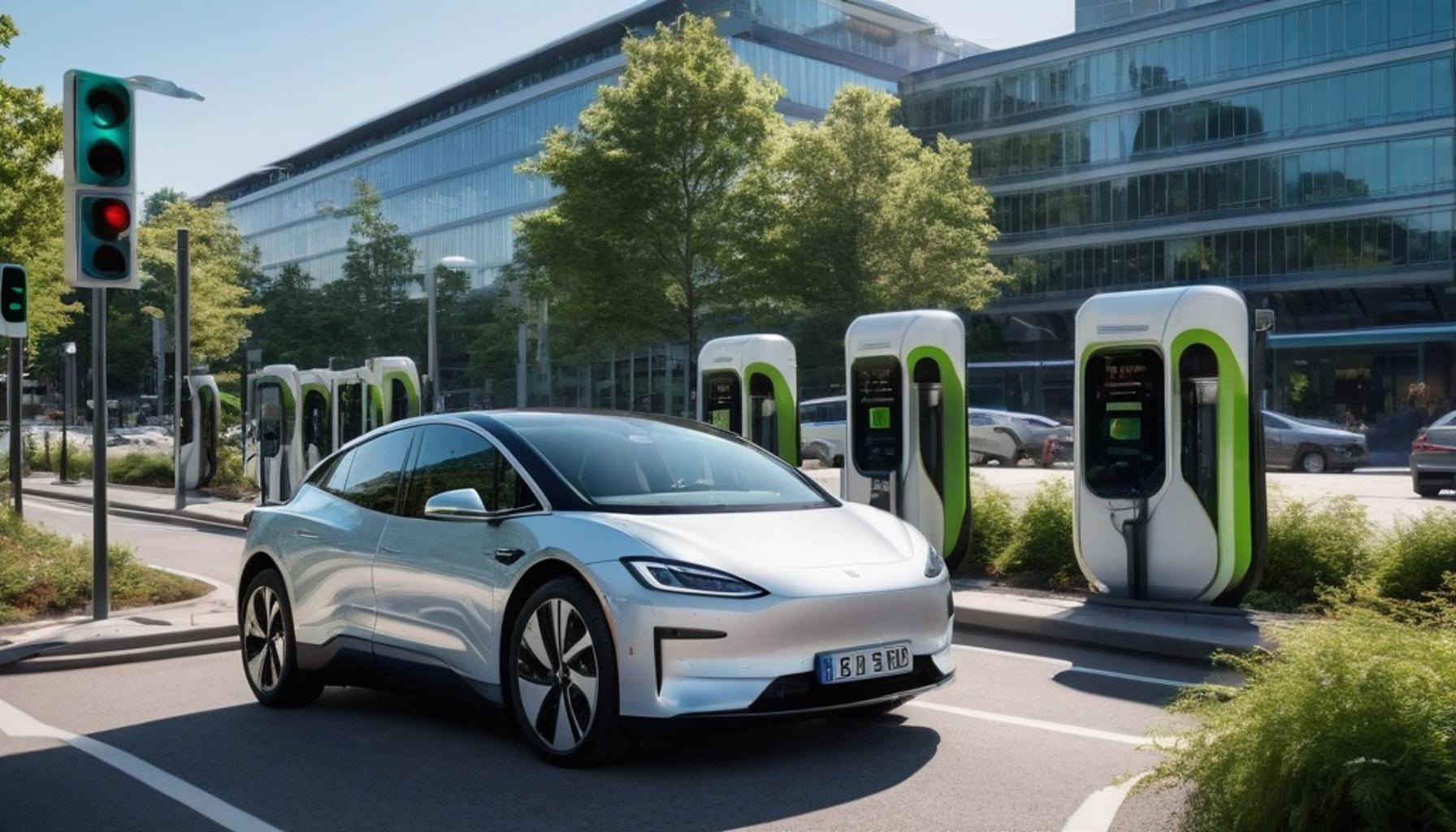
The Evolution of Transportation and Logistics
The journey of transportation and logistics over the centuries is a testament to human ingenuity and adaptability. The historical evolution of how goods and people traverse distances has not only paved the way for technological advancements but has also been fundamentally influenced by economic decisions. These decisions echo throughout history, particularly in the United States, where infrastructures such as the interstate highway system propelled the economy and reshaped urban landscapes. The investments made in transportation systems have often been the backbone of economic growth and socio-political change.
Key Factors Driving Transformation
As we delve deeper into the key drivers of today’s revolution in mobility, it’s essential to recognize how they are interlinked with past developments:
- Advancements in technology – The transition from horse-drawn carriages to steam engines marked a pivotal shift in logistics. Today, we witness another monumental transformation with the advent of autonomous vehicles and electric transportation. Companies like Tesla have not only showcased the viability of electric vehicles but have also emphasized the need for a sustainable future. Furthermore, innovations such as smart logistics systems have revolutionized warehousing and inventory management, thereby enhancing efficiency and reducing costs.
- Environmental concerns – The urgency of addressing climate change has pushed transportation sectors to adopt greener practices. In the 1970s and 1980s, the oil crises led to an increased focus on fuel efficiency, shaping policy changes. Nowadays, businesses are integrating sustainability into their operations by optimizing routes to reduce emissions, adopting electric fleets, and even exploring hydrogen fuel cell technology. This movement reflects a growing recognition that long-term economic benefits are tied to environmental stewardship.
- Globalization – The expansion of trade networks has necessitated efficient transport solutions that can keep pace with the instant demands of a global marketplace. The establishment of free trade agreements in the late 20th century contributed significantly to this phenomenon, enhancing reliance on logistics as a critical economic driver. However, the acceleration of e-commerce has introduced new challenges, requiring logistics providers to innovate continuously to meet customer expectations.
Lessons from the Past
Reflecting on historical trends reveals a continuous cycle of innovation and adaptation. The construction of the transcontinental railroad in the 19th century not only connected the Eastern and Western United States but also laid a foundation for economic interdependence. Similarly, the mid-20th-century investment in highways facilitated faster movement of goods, contributing substantially to the post-war economic boom. Today, as we invest in artificial intelligence and data analytics for logistics, we can draw parallels between these past decisions and our present strategies, optimizing delivery systems for efficiency.
In conclusion, the evolution of transportation and logistics illustrates a profound relationship between economic decisions and technological progress. As we navigate through the challenges and opportunities of the modern era, the lessons gleaned from history serve as a valuable compass, guiding innovation and shaping the future of mobility in the United States.
DISCOVER MORE: Click here to learn about cash back rewards
Technological Innovations Reshaping Mobility
The technological landscape of transportation is rapidly evolving, reminiscent of previous eras where innovation served as the conduit for economic enhancement. The transition from sailing ships to steamships and eventually to the modern shipping container exemplifies how innovative approaches can drastically increase cargo efficiency and reduce costs. Today, we find ourselves at a pivotal junction, where advancements in artificial intelligence (AI), the Internet of Things (IoT), and electrification are ushering in a new age for logistics and transportation, akin to the revolutions experienced in the past.
The Role of Autonomous Vehicles
The introduction of autonomous vehicles represents one of the most significant technological breakthroughs in recent times. Once considered the realm of science fiction, self-driving trucks and delivery vans are becoming a reality. These innovations promise enhanced safety, reduced human error, and increased efficiency. Historically, automation in manufacturing during the Industrial Revolution led to unprecedented productivity gains and economic growth. The adaptation of autonomous technologies in transportation may mirror this trend, potentially transforming supply chains and logistics operations across the United States.
Key components of this autonomous revolution include:
- Cost Reduction: With the elimination of drivers, companies can expect significant savings in labor costs and reduced liability.
- Increased Efficiency: Autonomous vehicles can operate 24/7, ensuring timely deliveries without the constraints of human work hours.
- Safety Improvements: With sophisticated sensors and AI algorithms, these vehicles are designed to minimize accidents, contributing to an overall safer transportation network.
The Emergence of Electric Mobility
As we reflect on the shifts in the logistics sector, it is impossible to overlook the impact of electrification. Following the oil crises of the 1970s, the emphasis on sustainable energy use highlighted the pressing need for alternative fuel sources. Fast forward to today, and the electric vehicle (EV) market is booming, supported by technological advancements and policy incentives aimed at enhancing clean transportation.
The surge in electric mobility is characterized by:
- Government Initiatives: Various federal and state policies are designed to promote electric vehicle adoption, including tax credits and grants for infrastructure development.
- Corporate Commitment: Major logistics companies are increasingly investing in EV fleets, recognizing that sustainability is not only an ethical imperative but also a competitive advantage.
- Charging Infrastructure: The expansion of charging networks across urban areas and highways is crucial, mirroring the historical construction of railways that unified transport systems.
In this modern context, the efforts to electrify transportation mirrors the past, where infrastructure investment laid the groundwork for economic revitalization. The lessons from previous innovations serve as a guiding framework for how we can harness today’s technologies to create an efficient, sustainable, and economically viable transport and logistics ecosystem.
DISCOVER MORE: Click here to find out more
Shaping the Future through Data and Connectivity
As we delve deeper into the transformational landscape of mobility, we must acknowledge the crucial role of data analytics and connectivity. In an era where information reigns supreme, the logistics and transport sectors are leveraging data to enhance decision-making processes and operational efficiency. This reliance on digitalization echoes the economic strategies of the past where information was pivotal for market navigation. Much like the telegraph’s ability to shorten communication time during the 19th century, modern connectivity is redefining how we comprehend and execute logistics.
Data-Driven Decision Making
The integration of big data and machine learning into logistics operations holds immense promise for enhancing profitability and operational fluidity. Just as the introduction of economic data analysis in the 20th century allowed businesses to forecast market trends, today’s logistics companies are employing advanced analytics to optimize their supply chains. Through data collection and analysis, firms can effectively manage inventory levels, predict demand fluctuations, and streamline routes.
Significant advantages of data-driven approaches include:
- Enhanced Forecasting: Predictive analytics enable companies to understand market demands and adjust their supply accordingly, reducing excess inventory and shortages.
- Operational Insights: Real-time data monitoring allows for the identification of inefficiencies, enabling continuous improvement in logistics processes.
- Customer-Centric Solutions: Data aids in personalizing delivery options and enhancing customer experience by providing real-time tracking and transparent communication.
Connected Infrastructure with IoT
The Internet of Things (IoT) plays a significant role in the future of mobility by creating a connected ecosystem for transport and logistics. Similar to how the establishment of rail networks once unified disparate regions, IoT promises to integrate vehicles, infrastructure, and individuals, fostering a comprehensive system that enhances efficiency and safety. By equipping vehicles and cargo with smart sensors, logistics firms can gather actionable data to facilitate smoother operations.
The IoT influence in mobility showcases:
- Real-Time Asset Tracking: With IoT devices, companies can monitor the location and condition of goods in transit, allowing for dynamic adjustments to routes and schedules.
- Predictive Maintenance: Advanced sensors help predict when a vehicle requires maintenance, significantly reducing the likelihood of breakdowns and ensuring operational reliability, much like the early maintenance strategies of steam engines that prevented costly downtime.
- Smart Traffic Management: As cities evolve, integrating IoT capabilities enables better traffic flow management, potentially minimizing congestion and thereby enhancing delivery speeds and lowering emissions.
In drawing from historical perspectives, the adoption of data analytics and IoT can be seen as a modern response to age-old challenges in transportation and logistics. The careful application of lessons learned from past innovations reflects a forward-thinking approach where adaptability and efficiency become imperative. By embracing these technologies today, we are not just recreating patterns but rather rewriting the narrative of mobility for future generations, ensuring a more connected and sustainable transport ecosystem akin to the transformative movements of yesteryear.
DIVE DEEPER: Click here to uncover the impact of startups on digital finance
A Glimpse into Tomorrow’s Transport Landscape
The ambitions we harbor for the future of mobility are fundamentally rooted in lessons from our past, illustrating how history recycles its themes in innovative contexts. Just as the emergence of the assembly line revolutionized production and distribution in the early 20th century, today’s cutting-edge technological advancements are poised to reshape the transportation and logistics market. The integration of big data, machine learning, and the Internet of Things (IoT) render traditional methods of operation obsolete, ushering in an era characterized by enhanced efficiency, real-time insights, and unprecedented connectivity.
Reflecting on economic revolutions of yesteryear, we find that those who harness data effectively can forge ahead, much like industrialists who embraced mechanization. The modern logistics sector stands at a similar crossroads, where the adept application of data-driven strategies can catalyze significant improvements in inventory management, operational reliability, and customer satisfaction. In adopting an interconnected framework, logistics and transportation can mirror the vast networks built by past innovators, transforming the movement of goods and services in profound ways.
As we stand on the threshold of this new mobility landscape, it is imperative to recognize that our commitment to sustainability and efficiency will dictate the trajectory of our transport systems. In doing so, we honor the fundamental principles established by previous generations while paving the way for a brighter, more connected future. Engage with these innovations, as they hold the promise of not only connecting our world more effectively but also enhancing the economic fabric of our society as a whole.

Linda Carter
Linda Carter is a writer and expert known for producing clear, engaging, and easy-to-understand content. With solid experience guiding people in achieving their goals, she shares valuable insights and practical guidance. Her mission is to support readers in making informed choices and achieving significant progress.